
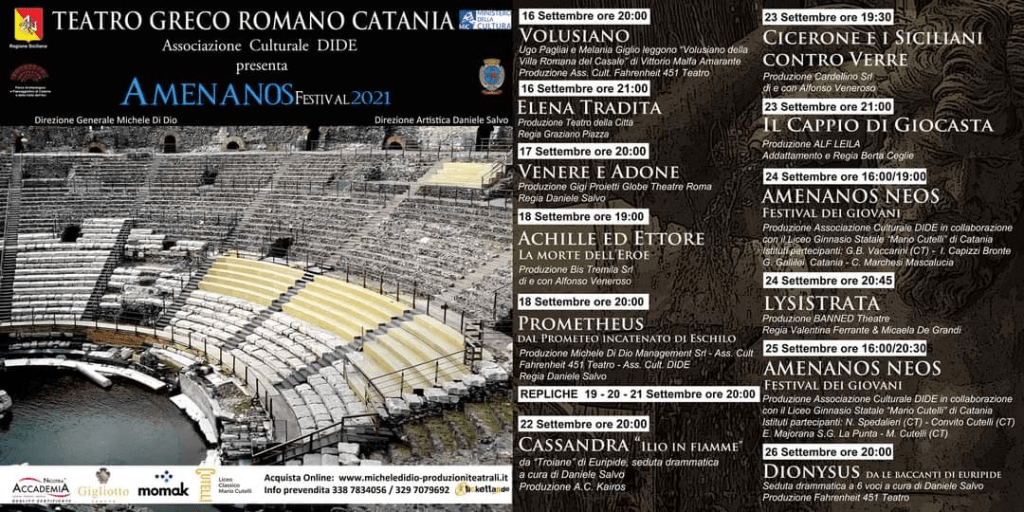
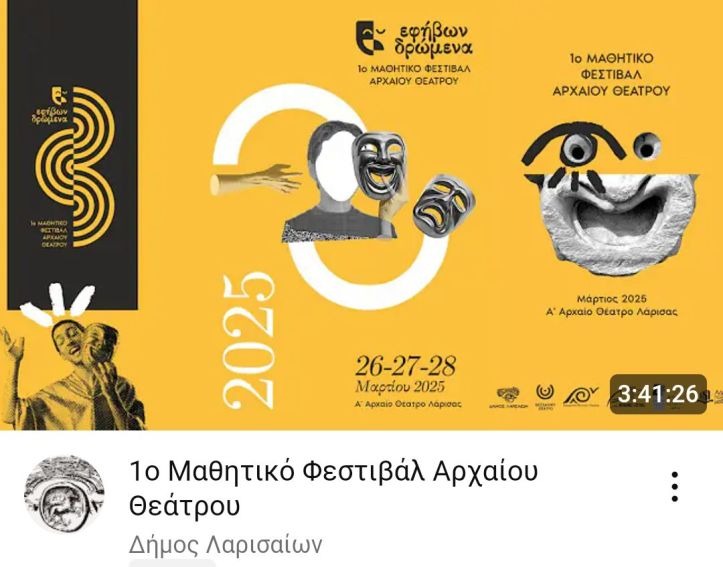
The Ancient Theatre’s Week is an transnational dialogue between four Festivals (Amenanos Festival, Catania-Italy; Matetikò Festival, Larissa-Greece; Ex-Machina Festival, Plovdiv-Bulgaria, Baelo Claudia, Cadiz-Tarifa, Spain), a circuit that is in line with the initial push that led to the formation of that koiné, that common sphere of thought, tradition and culture that we still find in the myth of Io, which gives its name to the Ionian Sea until the Hercule’s pillars, simbolically the whole of Europa, which designates the entire continent, evoking the need for a new understanding in the Mediterranean of the Mediterranean.
ARCHIMED EGCT provides to Amenanos Festival senior advice for the policies of soft governance for transnational agreements.
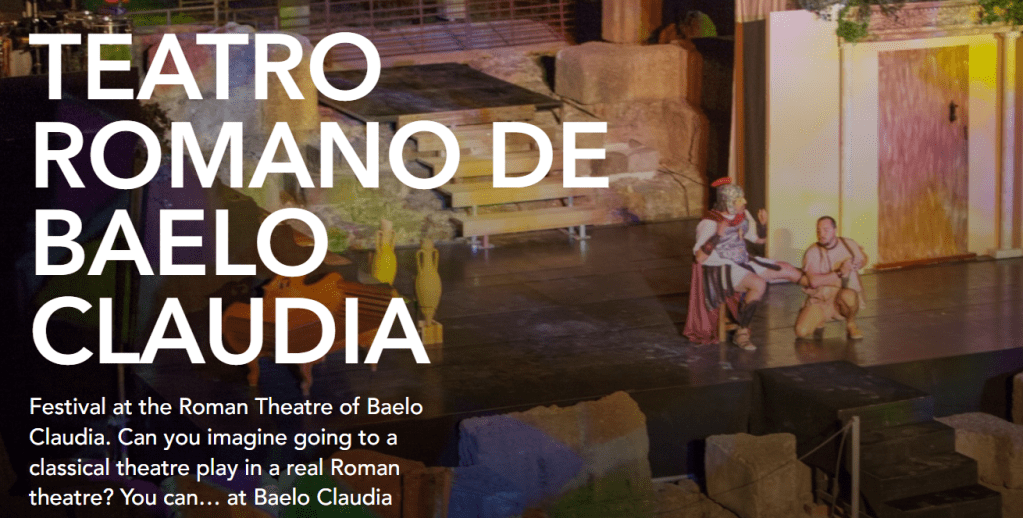
THEATRE FOR SCHOOLS, SCHOOLS FOR THEATRE
THE WEEK OF ANCIENT THEATRE
(Amenanos Festival del Teatro Antico & Amenanos Neos for Young People): the pattern was generated in Catania in that portion of the historic centre of eighteenth-century layout, which intercepts remains of Roman buildings, of great beauty but often not valorised and in an asphyxiating situation: The ANCIENT THEATRE in via Vittorio Emanuele, hidden from view for a large part, is the paradigm of this situation and constitutes the starting point of the project as COMMUNITY PACT for the regeneration of the territory through the promotion of knowledge, taking as a starting point the introduction of theatre as an educational tool for Schools, offering a point of connection in the physical context of the archaeological site as a magnetic point of relationship.
ARCHIMED EGCT has the role to strenght and improve the international parrtnership, providing qualified assistence for the territorial governance, according to the steering committees model.
REDISCOVER OUR CULTURAL HERITAGE
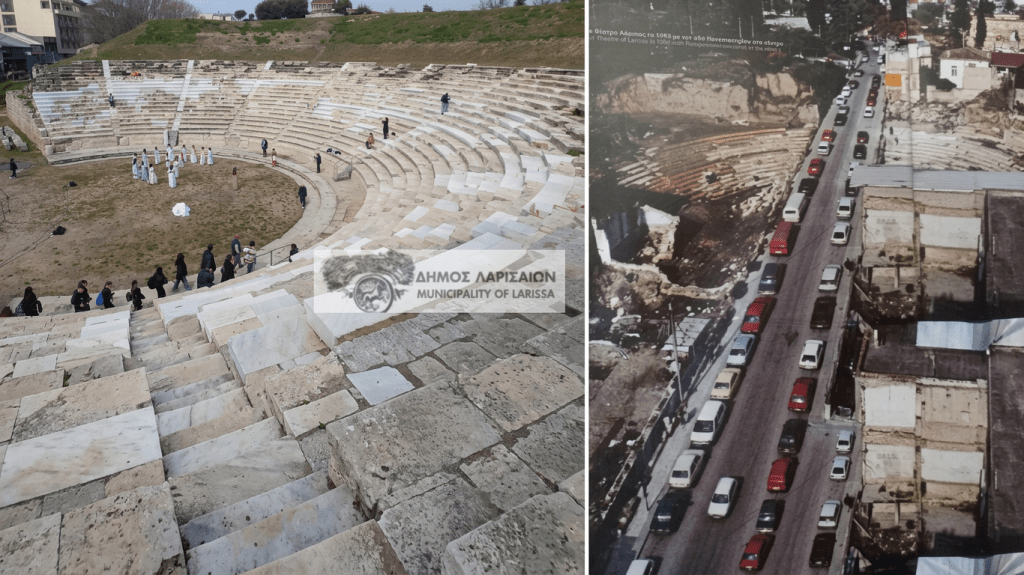
Working to this international partnership, by chance we had notice of the common destiny of the anciente theatre of Catania and Larissa. As the following photographic repertory shows, both theatre were covered until some decades ago, and both were rediscovered during the end of pasc century.

Above: the Ancient Theatre of Larissa after the recovery and photo 2 at the beginning of the excavations when it was still crossed by the road.

It is interesting to note, as shown in photos 1 and 2, that both cities have recently brought their Ancient Theaters to light, with archaeological excavations that began in both cities in the 1980s. This is also a non-secondary reason that marks the fate of this collaboration, which should be better defined, cared for and encouraged with conferences and cultural promotion activities throughout the year, in support of the AMENANOS FESTIVAL and the collateral activities that have an impact on hotels, restaurants, transport and entertainment operators.
By developing this bilateral dialogue, accompanied by the respective city, regional and national references, we commit ourselves to a loyal collaboration for the implementation of all the activities necessary to achieve the common objectives.
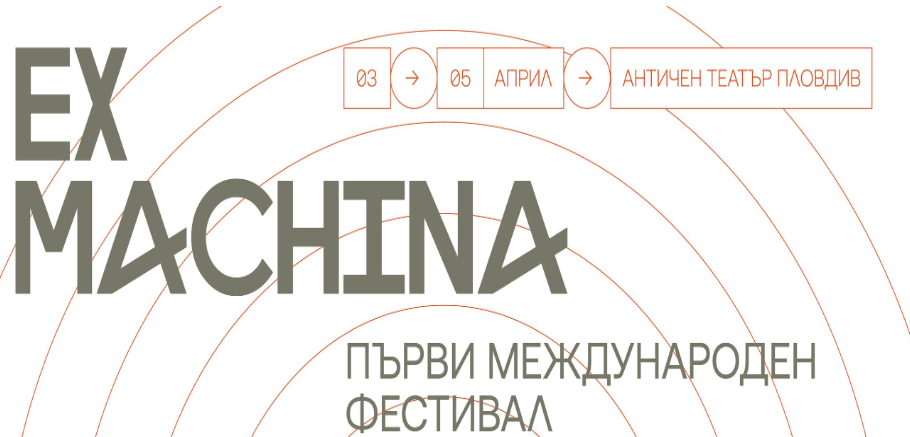
Foto 3 bis: ANCIENT THEATRE OF PLOVDIV
The ancient theater of Philippopolis was built during the time of the Roman emperor Marcus Ulpius Trajan (98 – 117 AD). and was discovered during archaeological excavations from 1968 to 1979 by the Plovdiv Archaeological Museum. It is located between Jambaz Tepe and Taksim Tepe. The theater of Philippopolis is the only preserved ancient theater building in the Bulgarian lands. The building has been adapted for the modern cultural life of Plovdiv and various performances are held in it (source: https://www.ancienttheaterplovdiv.eu/en/)
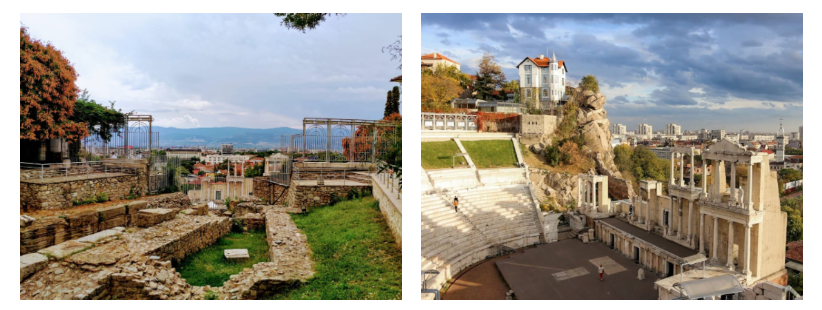
Foto 3 ter: ANCIENT THEATRE OF CADIZ
The Roman Theatre of Cádiz (Theatrum Balbi[1]) is an ancient structure in Cádiz, Andalusia, in southern Spain. The remains (only partially excavated) were discovered in 1980. The theatre, which was likely built during the 1st century BC and was one of the largest ever built in the Roman Empire, was abandoned in the 4th century and, in the 13th century, a fortress was built on its ruins by order of King Alfonso X of Castile.
The theatre featured a cavea with a diameter of more than 120 meters, and could house some 10,000 spectators. The theatre was one of the few Roman structures of ancient Hispania mentioned by classical authors, including Cicero and Strabo. Excavations in the site started in 1980 and they have also found remains of a quarter dating to the taifa period, Almohad houses and 17th century pits.
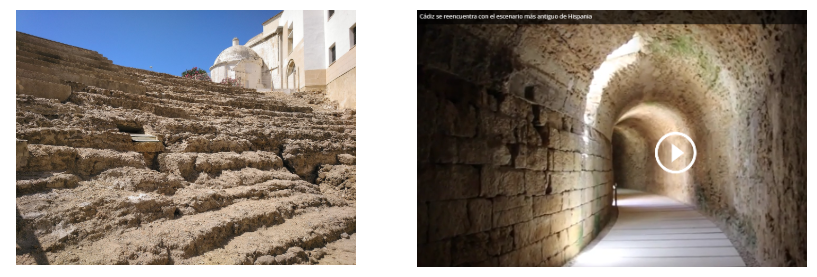

PHOTO 4: Moments from the Amenanos Festival, the educational workshops brought to the stage by schools from all over Italy: a great moment of education and culture that is repeated in May of each year.
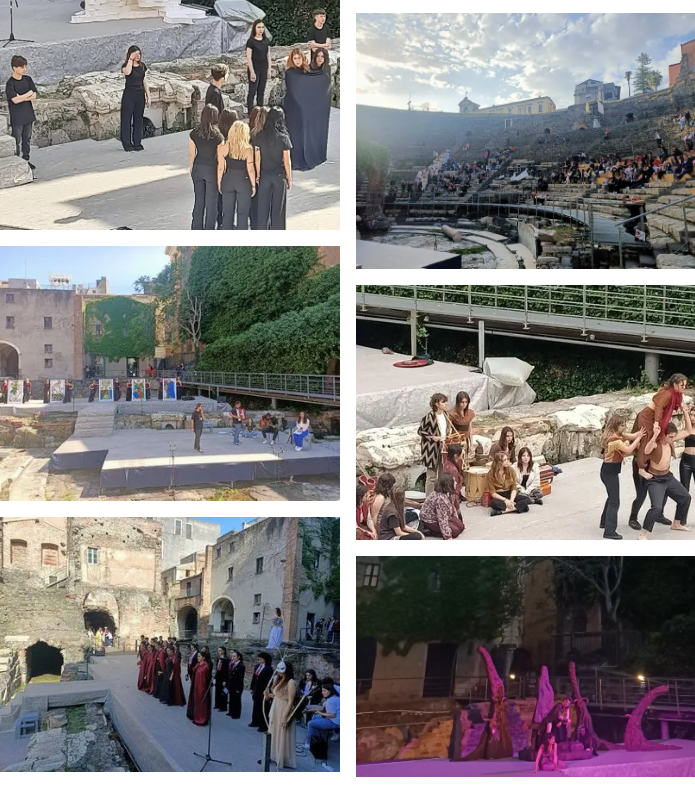
Theatre for Schools, Schools for Students
There is a particular enchantment in theatre performed by schools that professional theatre cannot replicate. This is presumably due to the awareness of something unrepeatable being handed over to life as a testimony. Furthermore, there is the authentic dimension of ancient myth coming alive in the present on an ineffable, fleeting, wonderful spring day. Technical limitations, pronunciation distortions, errors of shyness or bravado matter not at all: the impact is not diminished in the least. And then, there are the gems: unexpected interpretations like flowerings that stem from an authentic expressive need, demonstrating the inner life of each character of ancient tragedy, which becomes present through the living body that receives and manifests it.


Leave a Reply